This article explores how the competitive landscape of horse‑riding has evolved over time, identifies pressing operational challenges, and examines solutions that can elevate the overall experience for everyone involved.
Table of contents:
- Enhancing the equestrian experience from stable to showground
- The evolution of horse‑riding competitions over time
- Addressing key operational challenges and solutions in equestrian events
- Innovations from recent major events and their limitations
- Drivers to solve current challenges and shape the future of equestrian experiences
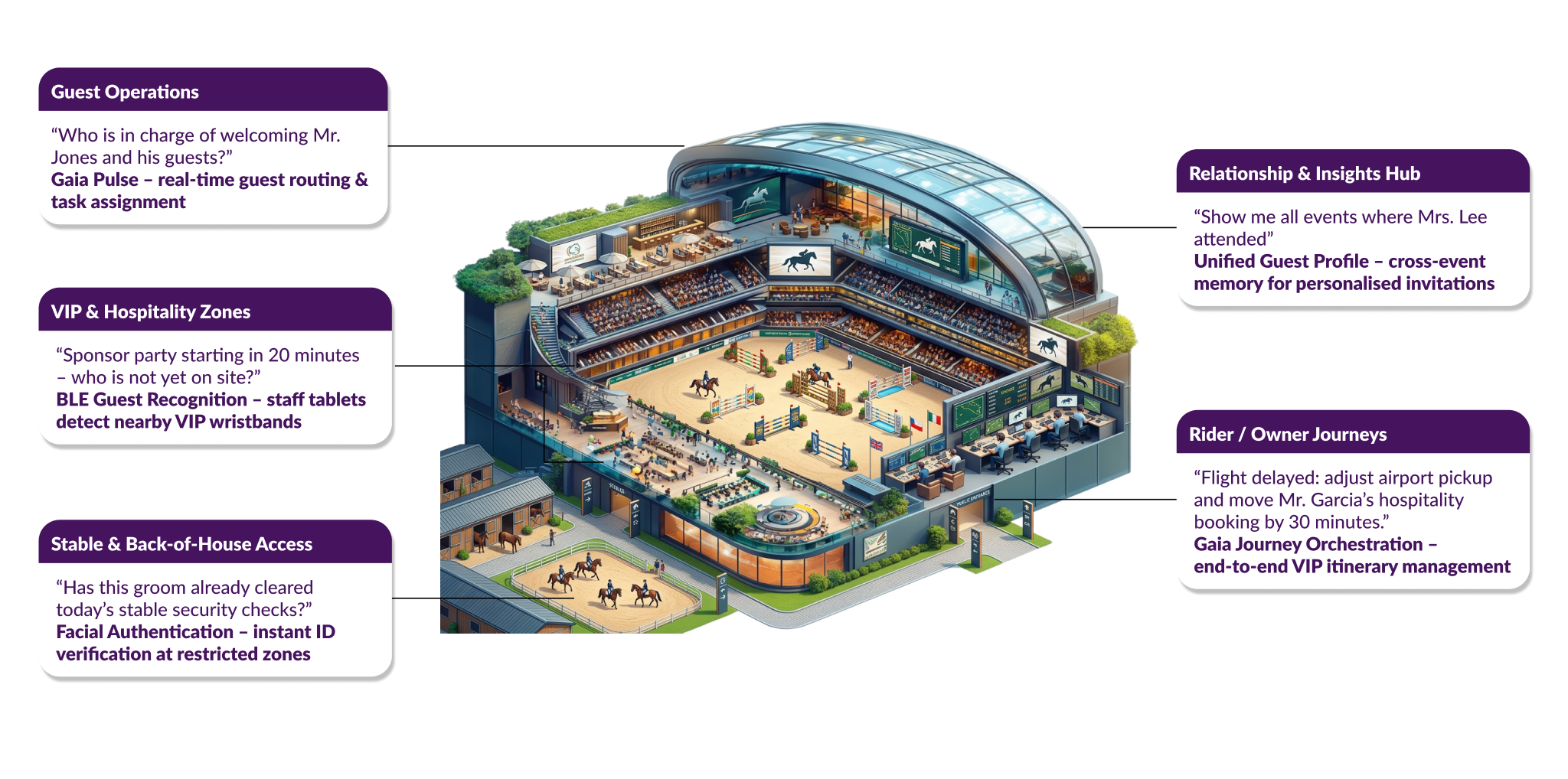
From the first trailer rolling through the gates to the last victory lap under the floodlights, every moment of an equestrian event shapes how riders, owners, grooms, sponsors, VIPs, and spectators remember the experience. As top-tier competitions become more global, more premium, and more visible online, expectations are rising fast: guests want airport-like efficiency, hotel-grade hospitality, and world-class sport in a single seamless journey.
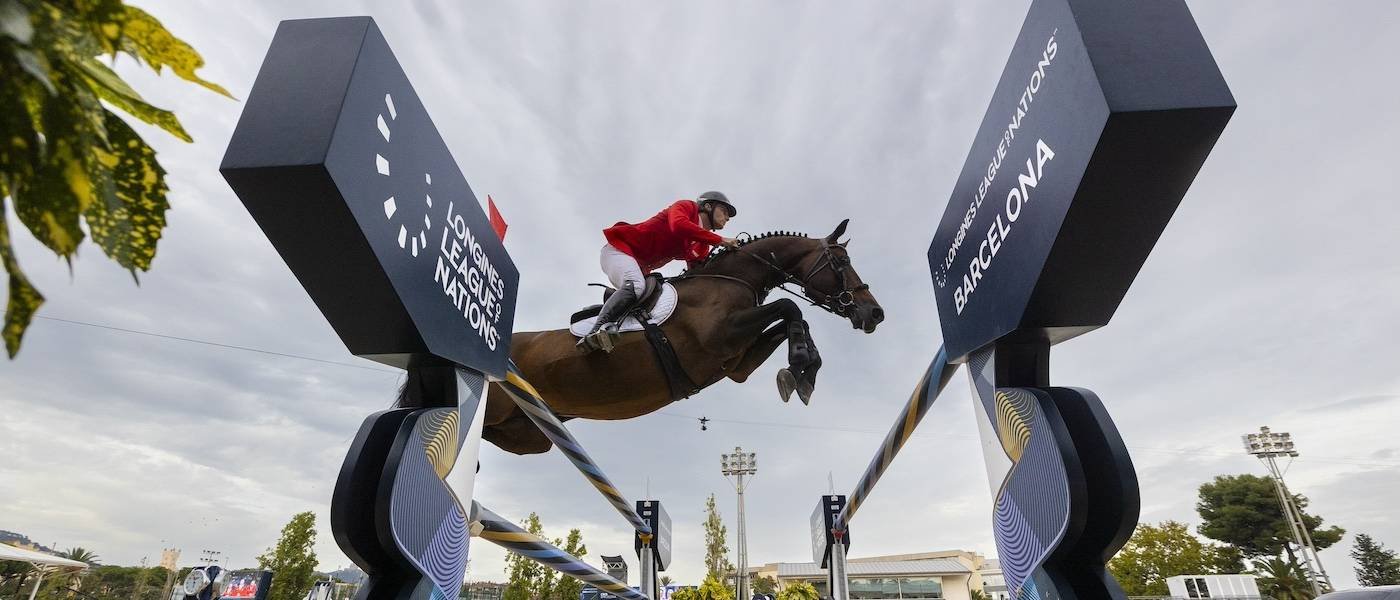
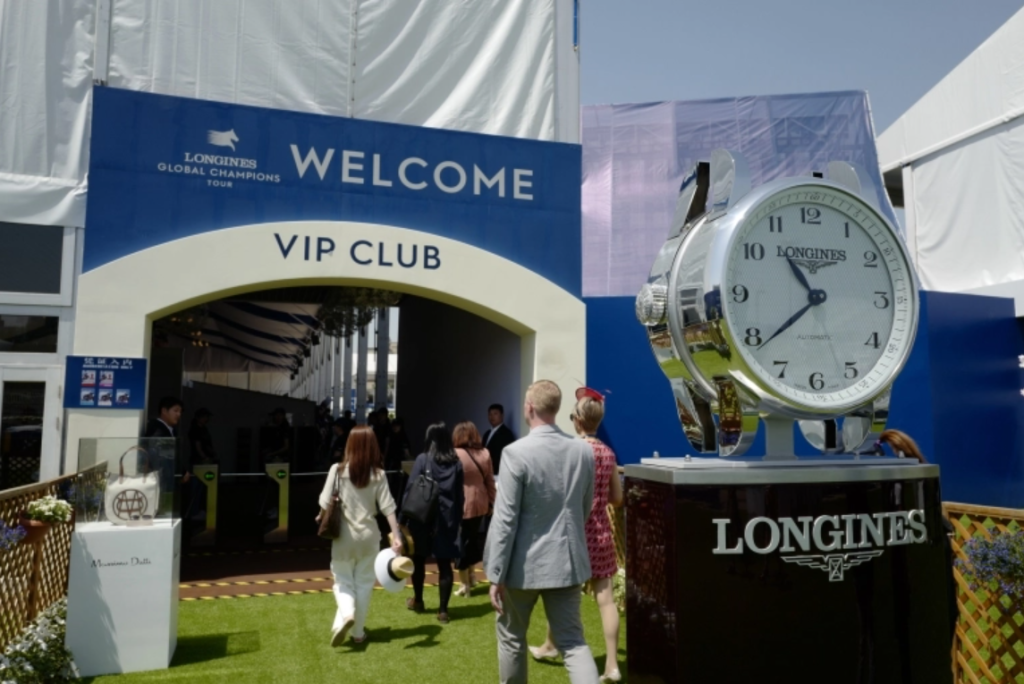
That is especially true for premium circuits such as the Longines Global Champions Tour, which spans 16 destinations and more than €36 million in prize money in 2025, with over €22 million concentrated in the final flagship events alone. At that scale, operational consistency is no longer a support function; it becomes part of the brand itself.
Why the stakes are changing
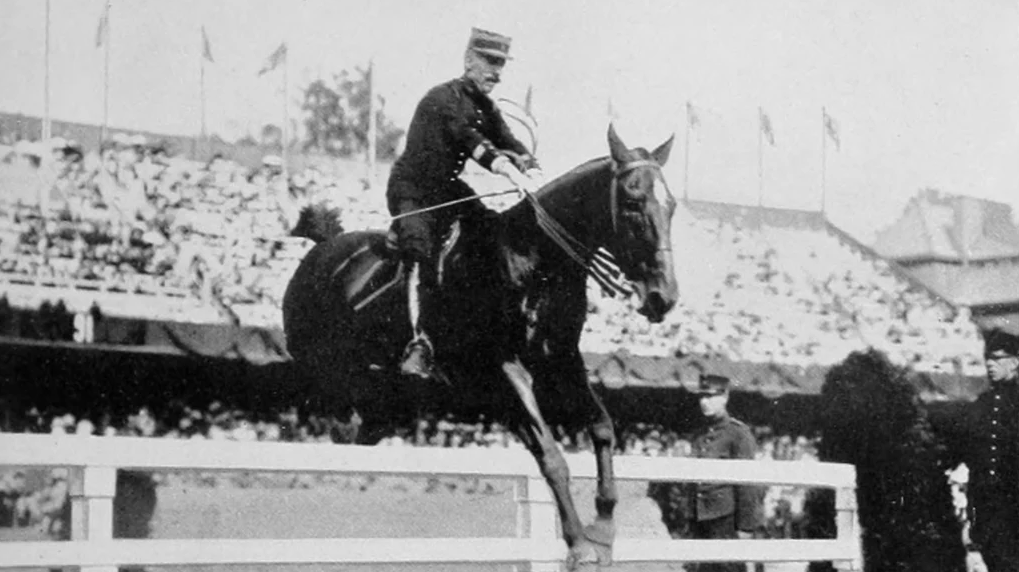
Equestrian sport has travelled a long way from its military roots. Disciplines such as dressage, show jumping, and eventing grew out of cavalry training and practical riding tests before evolving into codified international competitions with formal governance, specialist venues, premium hospitality, and global audiences. As the sport moved from utility to spectacle, the experience around the ring became nearly as important as the action inside it.
That shift is now accelerating because equestrian events are no longer experienced only on site. Global Champions launched GCTV as a dedicated streaming platform with more than 600 hours of live and on-demand content, multilingual commentary, studio programming, rankings, archive footage, and enhanced digital storytelling. When a sport delivers that level of polish to remote audiences, guests and sponsors naturally expect the live experience to feel just as seamless.
A few signals make that evolution clear:
- The Longines Global Champions Tour positions itself as a worldwide premium circuit across Asia, Europe, the Americas, and the Middle East.
- GCTV extends the competition into a year-round media product rather than a venue-only experience.
- Remote production partners describe the tour as reaching 16 locations across 4 continents with high-quality streamed coverage around every event.
This matters because more visibility creates more pressure. The better the media product becomes, the less tolerance there is for clunky check-ins, fragmented guest servicing, or inconsistent hospitality delivery on the ground.
A more intelligent event model
The next generation of equestrian operations will not be defined only by sport, but by service orchestration. The strongest events will be the ones that combine online pre-registration, facial authentication at check-in, BLE-enabled accreditations for nearby guest recognition, and real-time service intelligence into a single operating rhythm.
In major sporting-event guest operations, this kind of integrated approach has already delivered measurable results:
- +20% operational efficiency
- +45% V/VIP satisfaction
- 3x faster check-ins
Those numbers come from stadium-scale deployments, but the logic translates well to equestrian events, where guest servicing is often more personalised, more mobile, and more dependent on timing.
From horse sport to hospitality platform
Modern equestrian events are now managing far more than competition schedules. They are coordinating horses, transport flows, stabling, accreditation, companion access, owners’ hospitality, sponsor obligations, welfare rules, media activity, and guest expectations all at once. That complexity repeats across multiple cities and guest profiles, which makes operational repeatability essential.
At the same time, the sport is becoming more data-aware. Across the equestrian sector, connected tools and wearables are increasingly used to track movement, effort, recovery, and welfare signals, while products such as Equestic’s SaddleClip reflect the growing demand for live performance insight and earlier warning of strain or irregularity.
Where the guest journey still breaks
For all the prestige of top equestrian events, the weakest moments are often the most basic ones: arrival, accreditation, being recognised, finding the right zone, resolving a problem, or making a guest feel expected rather than processed.
Registration still creates avoidable friction
Manual registration remains one of the biggest pressure points. Paper forms, on-the-spot data entry, companion changes, and repeated identity checks create queues for riders, owners, grooms, officials, sponsors, and hospitality guests, especially during peak arrivals.
The first improvement is simple: collect guest and companion data online before the event. That means gathering names, access entitlements, hospitality packages, and more.
By doing that work upstream, the registration counter stops being the place where information is created and becomes the place where information is simply confirmed.
Facial authentication then adds a second layer of acceleration. First-time guests can be photographed by modern counter cameras and quickly matched to their pre-registered data, while returning guests can be recognised instantly so staff can retrieve their profile and issue the correct wristband or accreditation with minimal delay.
The operational upside is straightforward:
- Faster check-ins
- Shorter visible queues
- More confident front-desk interactions
- A better first impression for high-value guests
There are, of course, conditions for success. Biometric workflows need strong consent practices, clear explanation, and reliable data quality. If the guest does not trust the process, speed alone will not create a premium experience.
BLE used as recognition, not just access
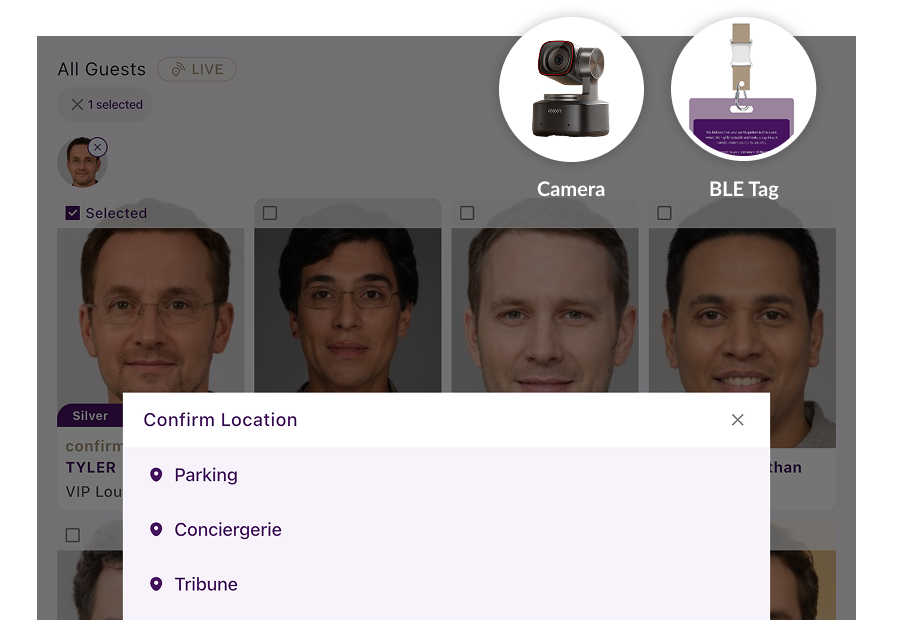
This is where the BLE model needs to be framed correctly. In this use case, BLE works through BLE-enabled accreditations, badges, or wristbands, or through small BLE tags clipped onto selected guest passes that emit a signal detectable by nearby staff devices.
As a powerful tool for premium service, BLE tags attached to passes can allow staff running Gaia-like apps on phones or tablets to recognise nearby guests automatically within an approximate 10–20 metre zone.
That recognition layer unlocks a very different kind of hospitality. Instead of asking every guest to stop, identify themselves, and explain their booking, staff can already know:
- Who is approaching
- Which companions are with them
- What hospitality or stable access they hold
- Their preferences
- Any issue previously raised
- Whether they should be escorted, greeted, or prioritised
This is what creates the “virtual red carpet” effect: not a dramatic visual gesture, but a quiet operational awareness that makes the guest feel expected everywhere.
The benefits extend beyond hospitality style:
- Less repeated questioning
- Faster processing at premium zones
- Better staff preparedness
- Richer guest histories over time
- Stronger ability to personalise future invitations and service
A venue should respond before the guest asks
At premium equestrian events, service quality often depends on whether teams can act before friction becomes visible. Riders, owners, and V/VIPs move between airports, hotels, showgrounds, stables, arenas, and hospitality functions on tight schedules, and delays do more than waste time: they reduce sponsor moments, create stress, and weaken the feeling of exclusivity.
This is where integrated guest operations platforms become powerful. Neoma’s world-class guest-management examples show how unified servicing across venues, hotels, transport, and airports can lift operational efficiency by 20%, raise V/VIP satisfaction by 45%, and make check-ins three times faster. In an equestrian setting, the same model can connect transport timing, accreditation status, hospitality bookings, and staff alerts into one live operational layer.
In practice, that means a venue can work more proactively:
- A hospitality host sees that a VIP owner has just entered the venue perimeter
- A staff member is alerted that the guest arriving at the lounge has two companions and one unresolved dietary request
- A transport issue raised earlier in the day is still visible to the next team interacting with the guest
- A sponsor guest can be guided to the right activation without having to repeat their identity at every touchpoint
The point is not only efficiency. It is continuity.
The real challenge is consistency across events
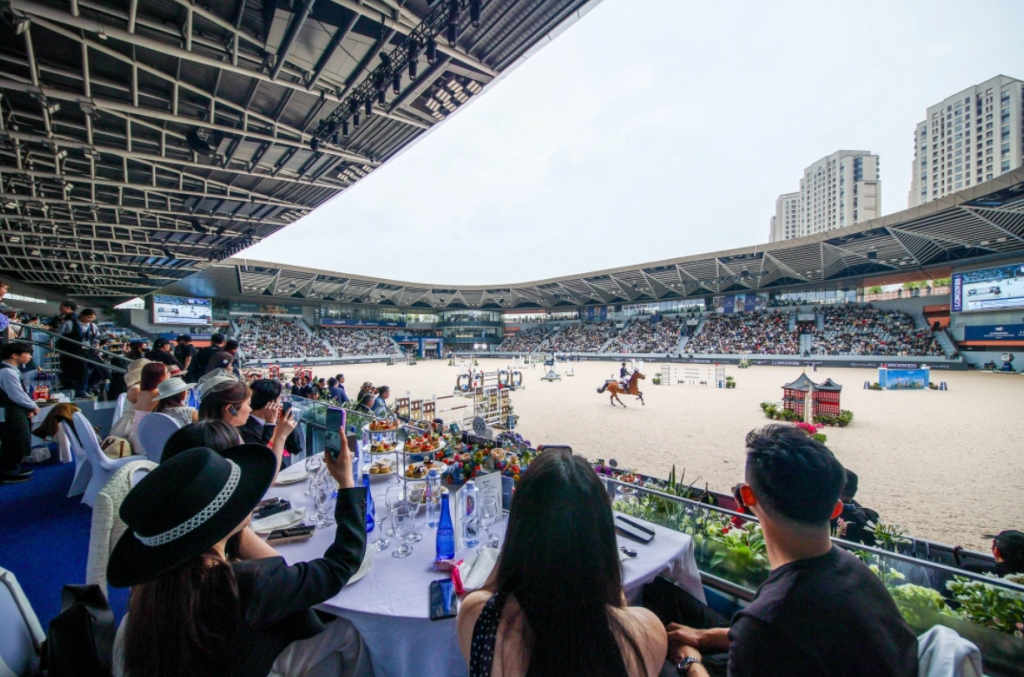
A multi‑day show is where service quality is most often tested, but for leading circuits the real challenge is consistency from one event to the next. A guest may be greeted beautifully at one stop on the tour and then feel anonymous at the next if teams become busy and information fragments across departments. Small service gaps in catering, transport, Wi‑Fi, companion handling, or stable access can accumulate into a much weaker perception of the circuit overall.
This is why active service monitoring matters as much as access technology. Real-time dashboards, open-ticket tracking, and voice-to-text issue logging can help teams move from reactive firefighting to visible, prioritised service management.
A better operating model includes:
- Live tracking of raised issues
- Priority handling for top owners, sponsors, and riders
- Shared visibility across guest services, hospitality, transport, and protocol teams
- Automated follow-up once an issue is resolved
When those workflows are connected, the venue feels less like a collection of separate teams and more like a single host with memory.
What other sports already prove
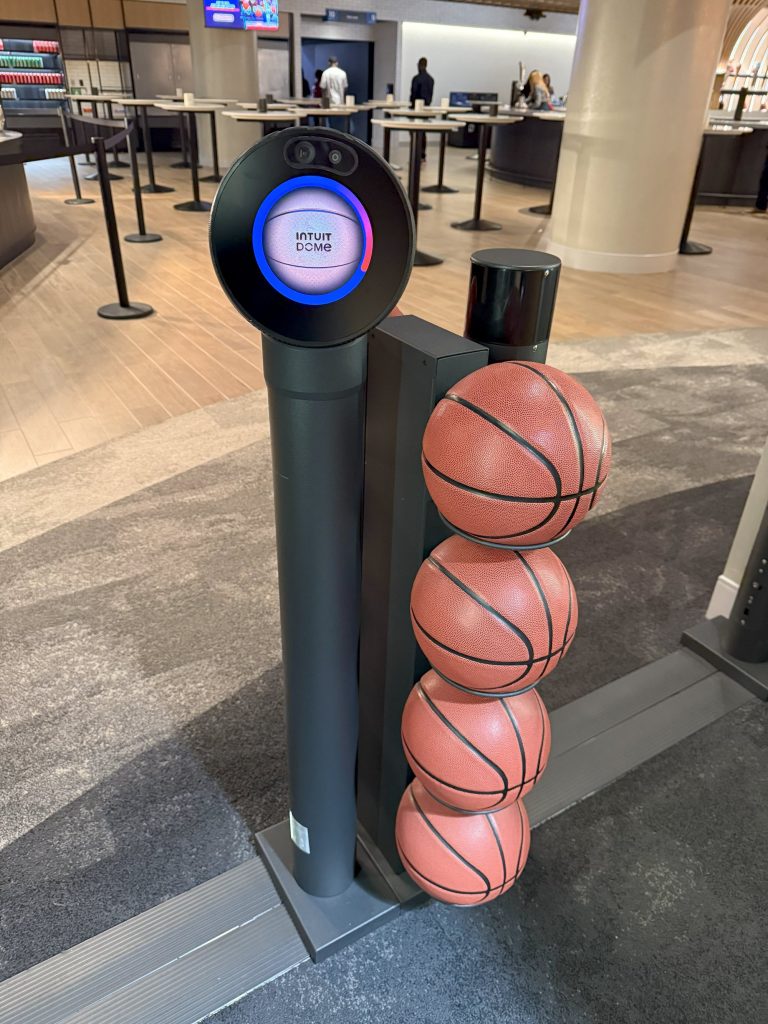
Other premium sports have already shown the direction of travel. Facial authentication is increasingly used to reduce friction at entry points and premium gates, while integrated platforms combine access, communications, servicing, and live operations into a more unified guest journey. Neoma’s sports and entertainment examples also show how guest recognition across facilities can improve restaurant check-in, seating guidance, and VIP journey management.
BLE, meanwhile, has proved useful beyond pure access control. It supports location-aware services, presence-based recognition, and better understanding of how people actually move through a venue. For equestrian events, that translates especially well to hospitality terraces, stable tours, owners’ lounges, sponsor boxes, and other semi-controlled premium environments where personalised service matters more than raw crowd throughput.
Still, every innovation has to be deployed carefully.
A few limitations should stay front of mind:
- Privacy and consent: biometric needs transparent governance
- Infrastructure readiness: BLE only works well when staff workflows are well designed
- Perception: premium guests accept technology more easily when it feels discreet and useful, not intrusive
- Fallbacks: every “smart” journey still needs a reliable manual alternative
The next competitive advantage
The future of equestrian events is not just better event management. It is better relationship management.
Once organisers can connect registration records, companion data, BLE-based presence, hospitality usage, service history, and post-event feedback, they can stop treating each guest visit as a separate transaction. They can recognise patterns across events, tailor invitations, remember preferences, and create a more coherent premium journey from one city to the next.
For a circuit like Global Champions, that matters enormously. A guest who feels known in Paris should feel equally known in Riyadh, Doha, London, or Prague. Over time, that continuity becomes part of the event brand and part of the sponsor value proposition.
What that future likely looks like:
- Guests and companions registered online before arrival
- Fast facial confirmation at the counter when needed
- BLE accreditations enabling discreet nearby recognition by staff
- Gaia-like operational dashboards connecting every interaction
- Service teams acting on live insight instead of fragmented messages
- Hospitality that feels more personal because the system remembers
The goal is not to automate hospitality out of the experience. It is to make hospitality more timely, more informed, and more consistent.
Riding into the next era
The next generation of equestrian events will not win only by offering top sport. It will win by delivering a seamless journey around that sport, from registration to hospitality to follow-up, with enough intelligence in the background to make every guest feel expected in the foreground.
For organisers, that means building beyond isolated tools. Online guest data capture, facial authentication, BLE-based recognition, and real-time service coordination create the most value when they work together as one operating model. For premium circuits, that is no longer just an operational improvement; it is a strategic differentiator.
Key takeaways
- Premium equestrian events now operate at a scale where guest operations directly shape brand value
- Online pre-registration plus facial authentication can significantly reduce accreditation friction and improve first impressions
- BLE is most powerful here as a recognition layer on badges or wristbands
- The strongest long-term opportunity is to turn event operations into relationship intelligence across seasons and cities
Interested in learning more? Talk to Neoma Sales today.